Architectural Lighting and Automation in Museums: When Light Becomes a Tool for Preserving Cultural Heritage and Enhancing the Visitor Experience
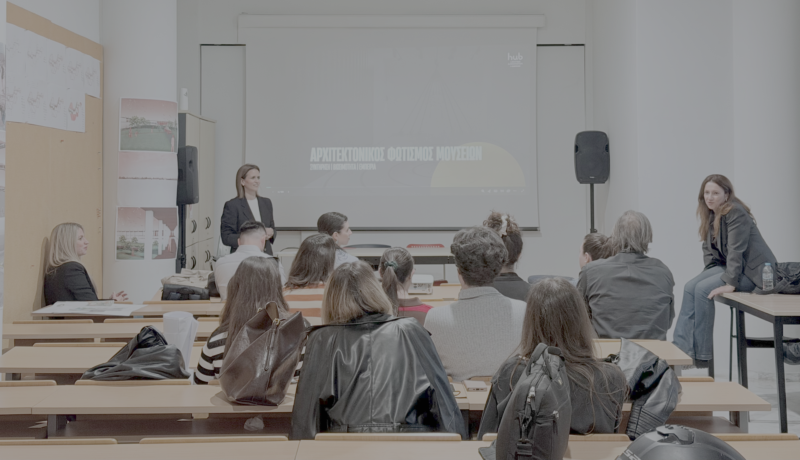
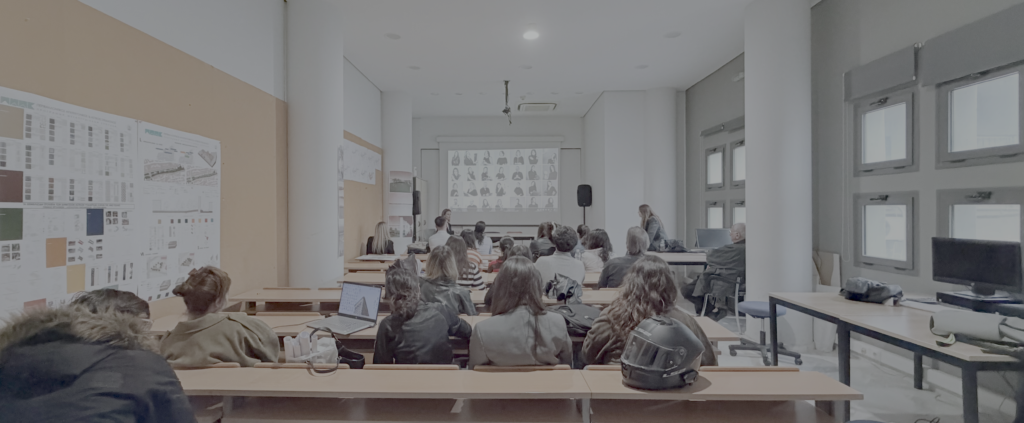
It was with great pleasure that the team of HUB Lighting and Innovation by Kafkas visited the School of Architecture at the Aristotle University of Thessaloniki, engaging in a meaningful discussion with postgraduate students of the MSc Program in Environmental Architectural and Urban Design on the role of lighting and automation in museum architectural design.
The lecture explored how lighting can function not merely as a technical requirement, but as an essential design element that enhances spatial perception, architectural identity, exhibits, and the overall museum experience. Through applied examples, the importance of precise beam control, lighting quality, visual comfort, and flexibility was highlighted, with the aim of creating an integrated visitor experience while ensuring the protection of exhibits through advanced building management systems that significantly improve energy efficiency.
Particular emphasis was placed on the quality of lighting in museum environments, through parameters such as CRI, UGR, and colour consistency, all of which directly influence the perception of colour, texture, and detail within an exhibit.
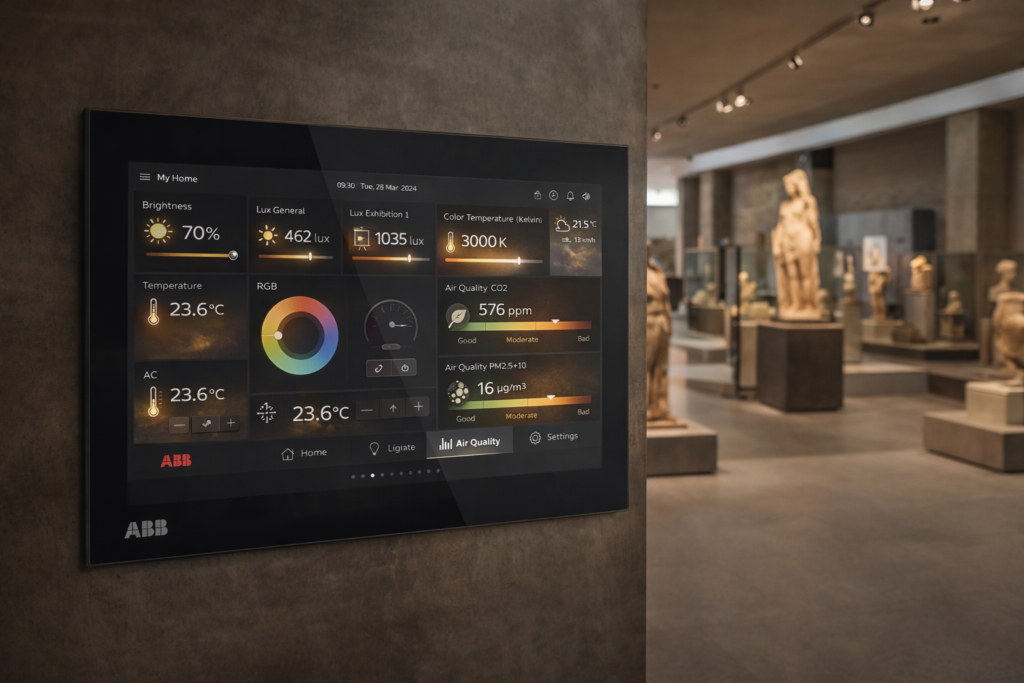
At the same time, the role of lighting control and automation systems was presented as a key factor in improving energy performance, reducing unnecessary light exposure on sensitive objects, and enabling dynamic lighting scenarios that enhance both sustainability and visitor engagement.
The exchange of ideas with the students proved to be an especially inspiring experience, highlighting the growing interest of the next generation of architects in understanding lighting as an integral part of the architectural design process.
At HUB Lighting and Innovation by Kafkas, we strongly believe that knowledge gains real value when it is shared. Through collaborations with the academic community, we aim to build bridges between education, technology, and architectural practice, contributing to the creation of more sustainable, innovative, and inspiring spaces.
The lecture was delivered by Athina Feleki, Architect and Lighting Consultant.